
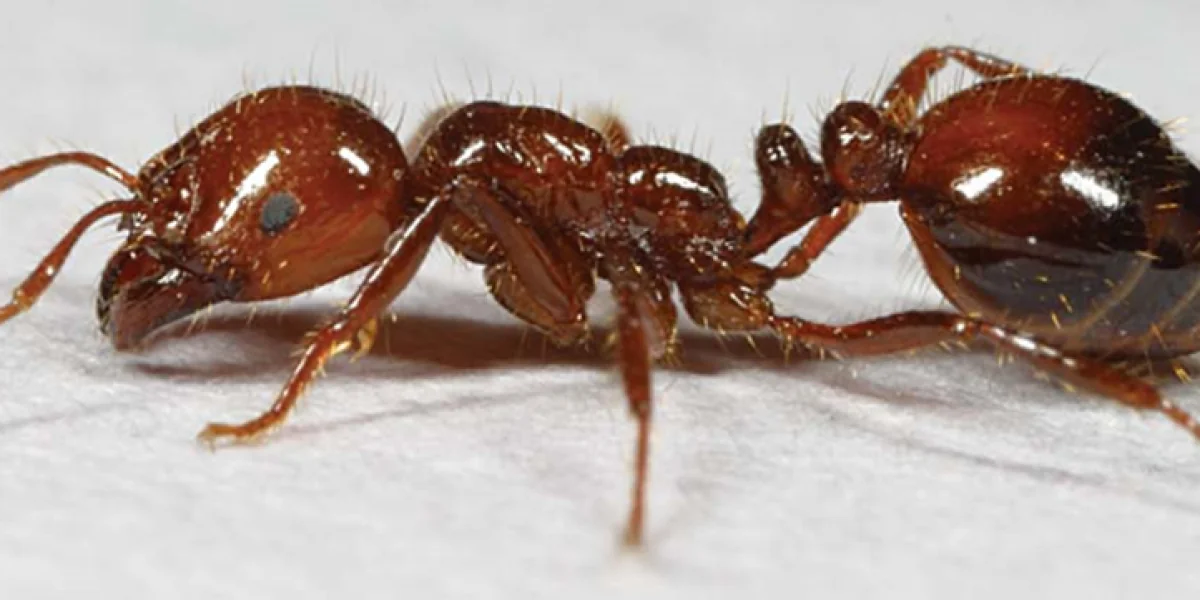
Ants are one of the most common outdoor pests homeowners deal with throughout the year. While ants play an important role in nature, large colonies around patios, lawns, gardens, and walkways can quickly become frustrating. Some ants damage plants, others invade outdoor living spaces, and certain species like fire ants can even pose safety concerns for people and pets.
Successful ant control outdoors starts with understanding why ants are attracted to your property and how to stop infestations before they spread. From natural remedies to professional-grade bait treatments, there are several ways to manage outdoor ant activity effectively.
This guide covers practical strategies for how to get rid of ants outside, prevent colonies from returning, and keep your lawn and outdoor spaces protected long term.
Why Ants Are Attracted to Outdoor Spaces
Ants are constantly searching for food, water, and shelter. Your yard naturally provides many of the things they need to survive. Gardens, mulch beds, patios, trash bins, and even overwatered lawns can attract ant colonies.

Some of the most common outdoor ants include:
Different ant species prefer different environments. Carpenter ants are often drawn to damp wood, while fire ants build large mounds in sunny lawn areas. Pavement ants commonly nest in cracks near sidewalks and driveways.
Ants communicate through pheromone trails. Once one ant finds a food source, it leaves a scent trail for the rest of the colony to follow. That is why outdoor infestations can grow rapidly if left untreated.
Understanding the source of the problem is the first step toward effective ant control outdoors.
Signs You Have an Outdoor Ant Problem
Spotting ant activity early can help prevent larger infestations later. In many cases, homeowners notice trails of ants before they find the nest itself.
Common signs of outdoor ant infestations include:
- Visible ant trails along sidewalks or patios
- Small piles of dirt or ant mounds in the lawn
- Increased ants around outdoor eating areas
- Ants gathering near garbage bins
- Damage to plants or garden beds
- Fire ant mounds appearing in sunny areas
If you regularly notice ants returning to the same locations, there is likely an active colony nearby that needs treatment.
How to Get Rid of Ants Outside
Many homeowners want fast answers for how to get rid of ants outside without damaging their lawn or landscaping. The best approach combines prevention, targeted treatments, and ongoing maintenance.
Eliminate Food Sources
Outdoor ants are highly attracted to food debris. Even small crumbs left behind after grilling or outdoor dining can attract large numbers of ants.
To reduce activity:
- Clean outdoor eating areas regularly
- Rinse beverage spills immediately
- Store pet food indoors when possible
- Keep trash cans sealed tightly
- Pick up fallen fruit from trees
Removing food sources helps make your yard less attractive to ant colonies.
Reduce Moisture Around the Property
Ants thrive in damp environments. Overwatering your lawn or leaving standing water around your property can encourage nesting activity.
Improve drainage by:
- Fixing leaking hoses or faucets
- Watering lawns properly
- Cleaning gutters regularly
- Avoiding excess mulch buildup
- Trimming dense vegetation
Reducing moisture can significantly improve ant control outdoors over time.
Destroy Active Ant Nests
Finding and treating the nest directly is often the fastest way to reduce ant populations. Depending on the species, nests may appear as small dirt mounds, cracks in pavement, or hidden areas under rocks and landscaping materials.
Treatment options may include:
- Ant bait granules
- Liquid ant baits
- Dust insecticides
- Boiling water for small mounds
- Outdoor ant killer pellets
Targeting the colony is far more effective than simply spraying visible ants.
Best Way to Kill Ants Outdoors
The best way to kill ants outdoors depends on the size of the infestation and the species involved. In most situations, bait products work better than contact sprays because they allow worker ants to carry poison back to the colony.
Ant Baits
Baits are one of the most effective long-term solutions for outdoor ant infestations. Worker ants transport bait back to the queen and the rest of the colony, helping eliminate the nest from the inside.
Popular bait options include:
- Granular bait for lawns
- Liquid bait stations
- Protein-based baits
- Sweet gel baits
Place bait near active trails or mound entrances for best results.
Outdoor Ant Killer Treatments
A quality outdoor ant killer can quickly reduce visible activity and provide lasting protection. Many products are designed specifically for lawns, patios, and perimeter treatments.
Outdoor ant killer products may come in:
- Pellet form
- Liquid concentrate
- Granules
- Dust applications
- Ready-to-use sprays
Always follow product instructions carefully to protect beneficial insects and surrounding plants.
Pellets and Granules
Pellet-based treatments are especially useful for larger properties or widespread infestations. These products distribute evenly across the lawn and continue working over time.
Many homeowners use pellets because they:
- Cover large areas efficiently
- Offer residual protection
- Target multiple ant species
- Work well around lawn perimeters
Applying treatments consistently during warmer months often provides the best results.
Natural Ant Control Solutions
Many homeowners prefer natural ant control methods before using stronger chemical products. While natural remedies may not eliminate severe infestations completely, they can help reduce activity and discourage ants from returning.
Vinegar Spray
A mixture of equal parts vinegar and water can help disrupt ant scent trails. Spray the solution around patios, walkways, and entry points.
Diatomaceous Earth
Food-grade diatomaceous earth is a popular natural ant control option. The fine powder damages the ants’ outer layer and causes dehydration.
Apply it:
- Around ant hills
- Along foundation lines
- Near garden beds
- Around patios
Reapply after rain for continued effectiveness.
Essential Oils
Strong-smelling oils can help repel ants naturally. Peppermint oil, tea tree oil, and citrus oils are common choices.
Mix a few drops with water and spray around active areas.
Coffee Grounds and Cinnamon
Some homeowners use coffee grounds or cinnamon around gardens and flower beds to create natural barriers. While results vary, these methods may help discourage ants in smaller areas.
Natural methods often work best when combined with good sanitation and preventative lawn care.
How to Get Rid of Ants in the Lawn
Ant infestations in grassy areas can be especially frustrating for homeowners trying to maintain a healthy lawn. Fire ants, in particular, can create large mounds that damage turf and create hazards for children and pets.
If you are wondering how to get rid of ants in the lawn, start by identifying the type of ant you are dealing with.
Treat the Entire Lawn Area
Spot treatments may not fully solve widespread infestations. Applying granular ant control products across the lawn can help target hidden colonies.

Focus on:
- Sunny areas
- Lawn edges
- Around trees
- Near sidewalks
- Areas with visible mounds
Mow and Water Properly
Healthy lawns are less attractive to ants. Proper mowing and watering practices help reduce stress and improve turf density.
Avoid:
- Overwatering
- Scalping the lawn
- Allowing excessive thatch buildup
Monitor for Fire Ant Activity
Fire ants are aggressive and often require specialized treatment. If fire ant mounds continue appearing despite treatment, professional pest control may be necessary.
Preventing Future Outdoor Ant Infestations
The most effective ant control outdoors strategy focuses on long-term prevention rather than temporary fixes.
Here are a few simple ways to keep ants from returning:
- Seal cracks around foundations and walkways
- Trim bushes away from the home
- Remove yard debris regularly
- Store firewood away from structures
- Clean outdoor cooking areas often
- Schedule seasonal pest control treatments
Routine inspections can also help identify problems before infestations become severe.
When to Call a Professional
While many outdoor ant problems can be managed with DIY treatments, some infestations require professional help. Large colonies, recurring infestations, or aggressive ants may need stronger products and specialized treatment plans.
Professional pest control companies can:
- Identify ant species accurately
- Apply targeted treatments safely
- Locate hidden nests
- Prevent recurring infestations
- Protect lawns and landscaping
If ants continue returning despite repeated treatments, it may be time to consult an expert.
Final Thoughts on Outdoor Ant Control
Managing ants outdoors takes consistency, patience, and the right strategy. Whether you are dealing with small trails near the patio or widespread lawn infestations, combining prevention with targeted treatments can make a major difference.
From natural ant control methods to professional-grade outdoor ant killer products, there are many effective ways to reduce ant activity and protect your outdoor spaces. Understanding how to get rid of ants outside and how to get rid of ants in the lawn helps homeowners create healthier, more enjoyable yards year-round.
Ready to Protect Your Lawn and Outdoor Spaces?
If ants are taking over your yard, patio, or garden, professional treatment can help stop infestations quickly and prevent future problems. Contact our team today to learn more about customized outdoor ant control solutions designed to keep your property protected all season long.